Contact Information
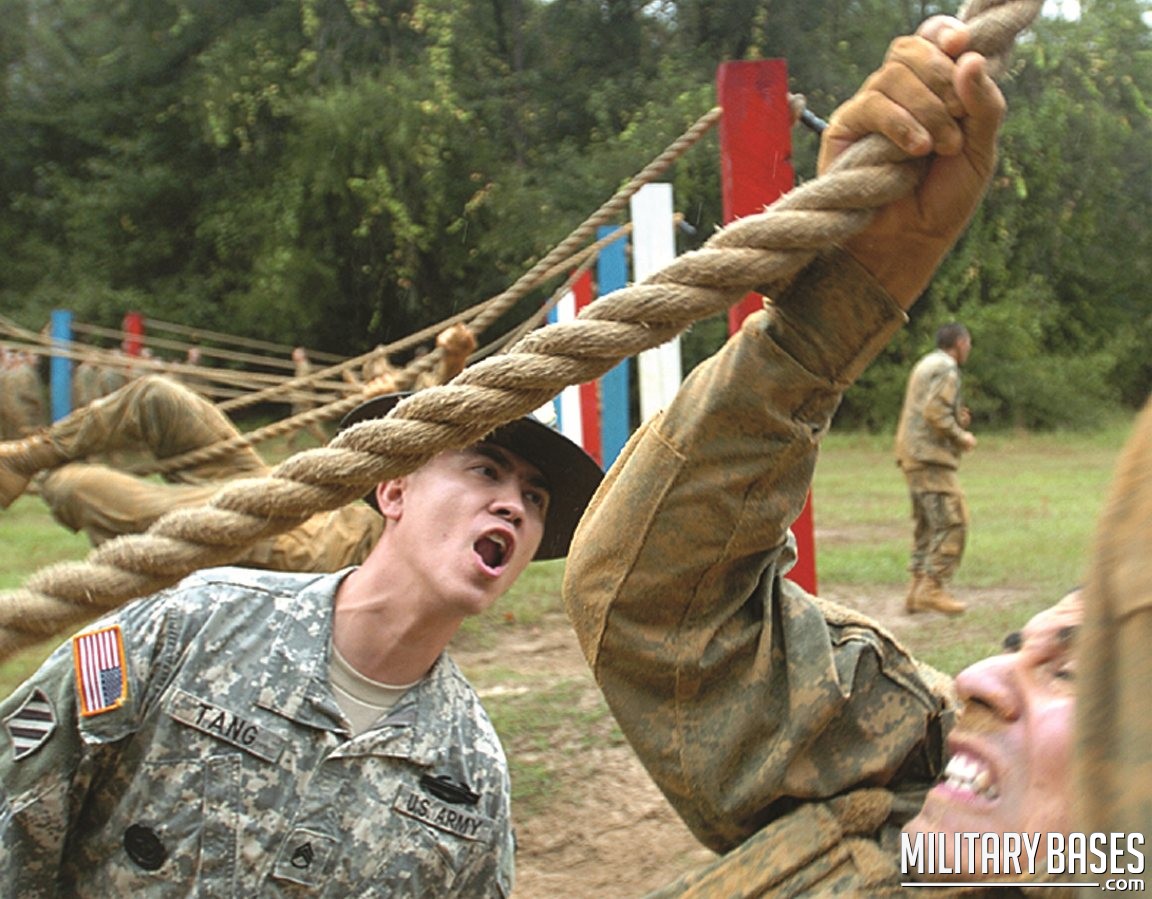
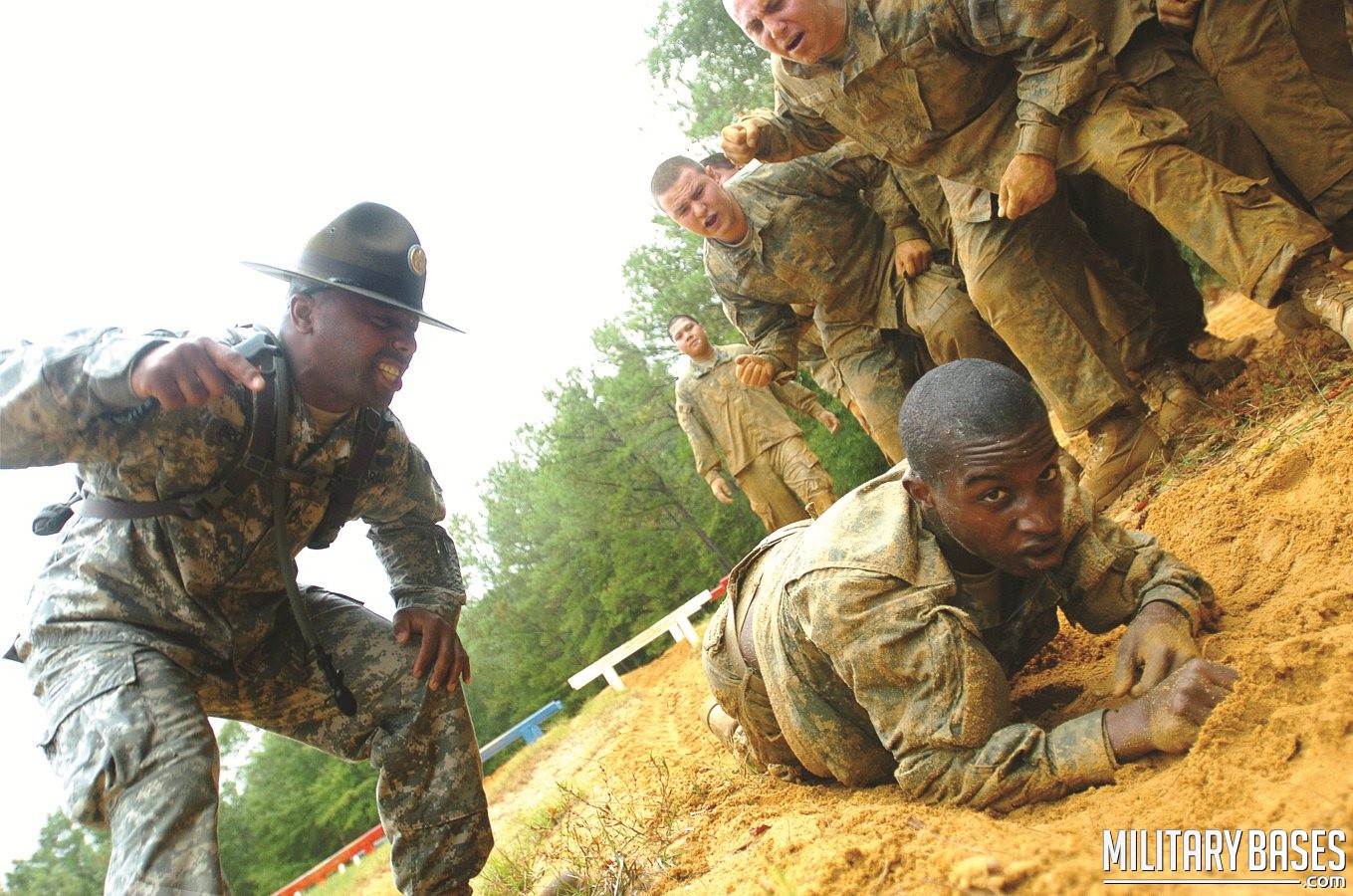
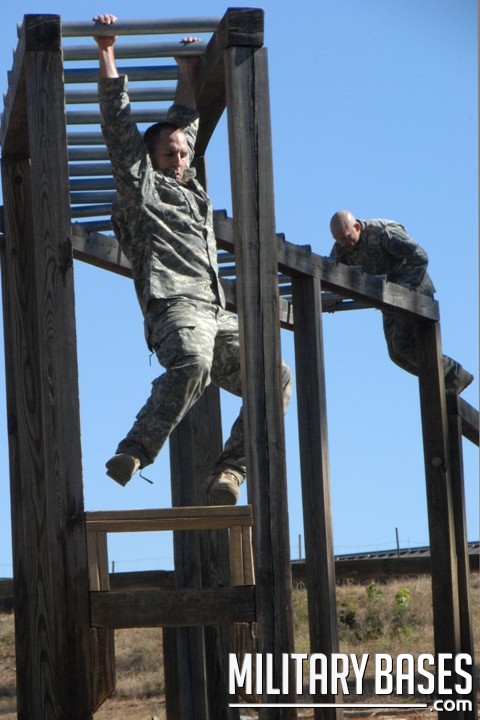
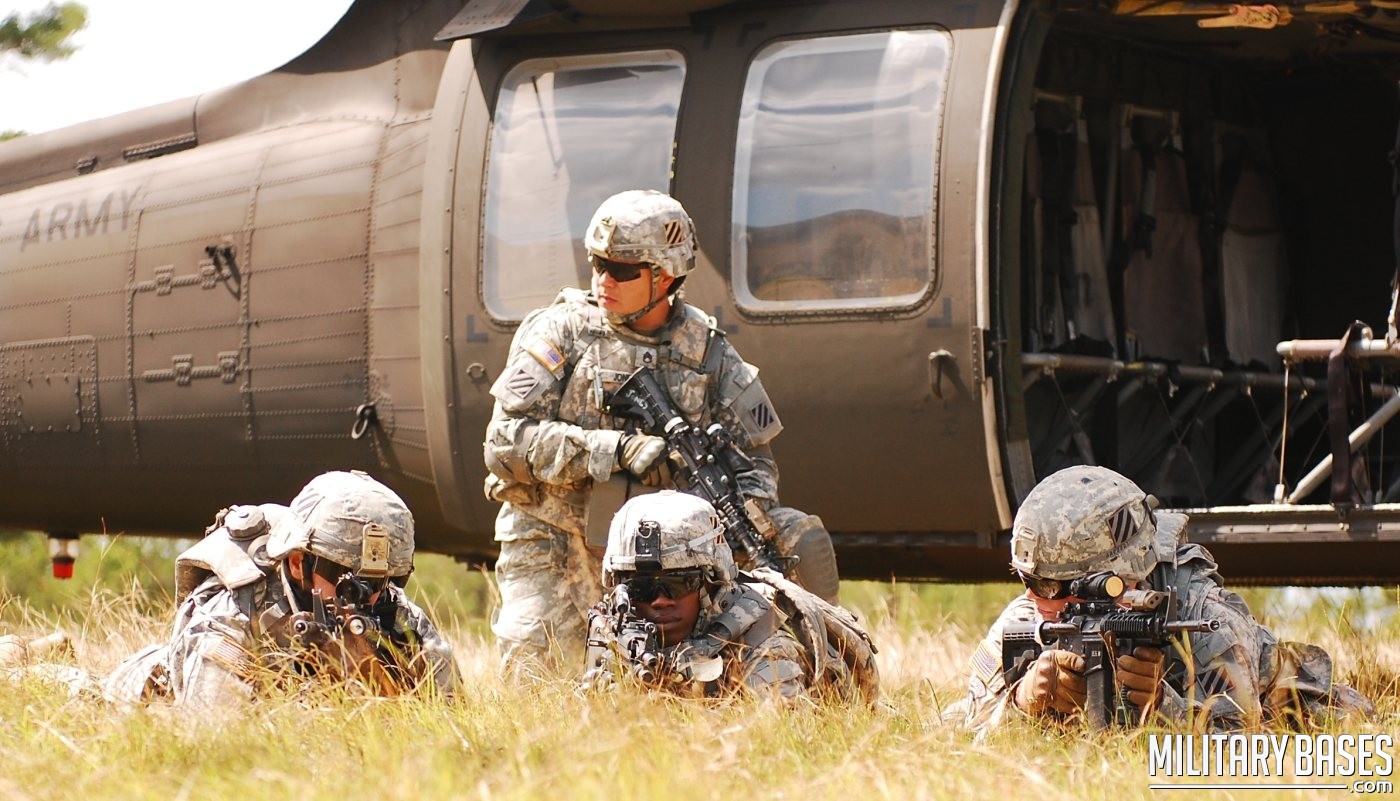
Fort Benning is a U.S. Army base located in Mucoge and Chattahoochee counties near Columbus, Georgia. Covering 182,000 acres in west central Georgia and a small portion of its land in east central Alabama, it bears the moniker of Home of the Infantry. Fort Benning seeks to be “First in training, First in readiness, and First in quality of life.” It comprises a large military community comprised of 120,000 active duty active-duty personnel, family members, reservists, retirees, and civilian employees. Training schools make up a major portion of the base’s current mission and account for much of its historical growth. It provides sites for the U.S. Army Infantry Training School, as well as the U.S. Infantry school, the Airborne School, the School for the Americas as well as the Ranger Training Brigade. In addition to training, the base also houses units of Forces Command, including the 36th Engineer Group, the 3rd Ranger Battalion as well as the 75th Ranger Regiment, and the 3rd Brigade, 3rd Infantry Division.
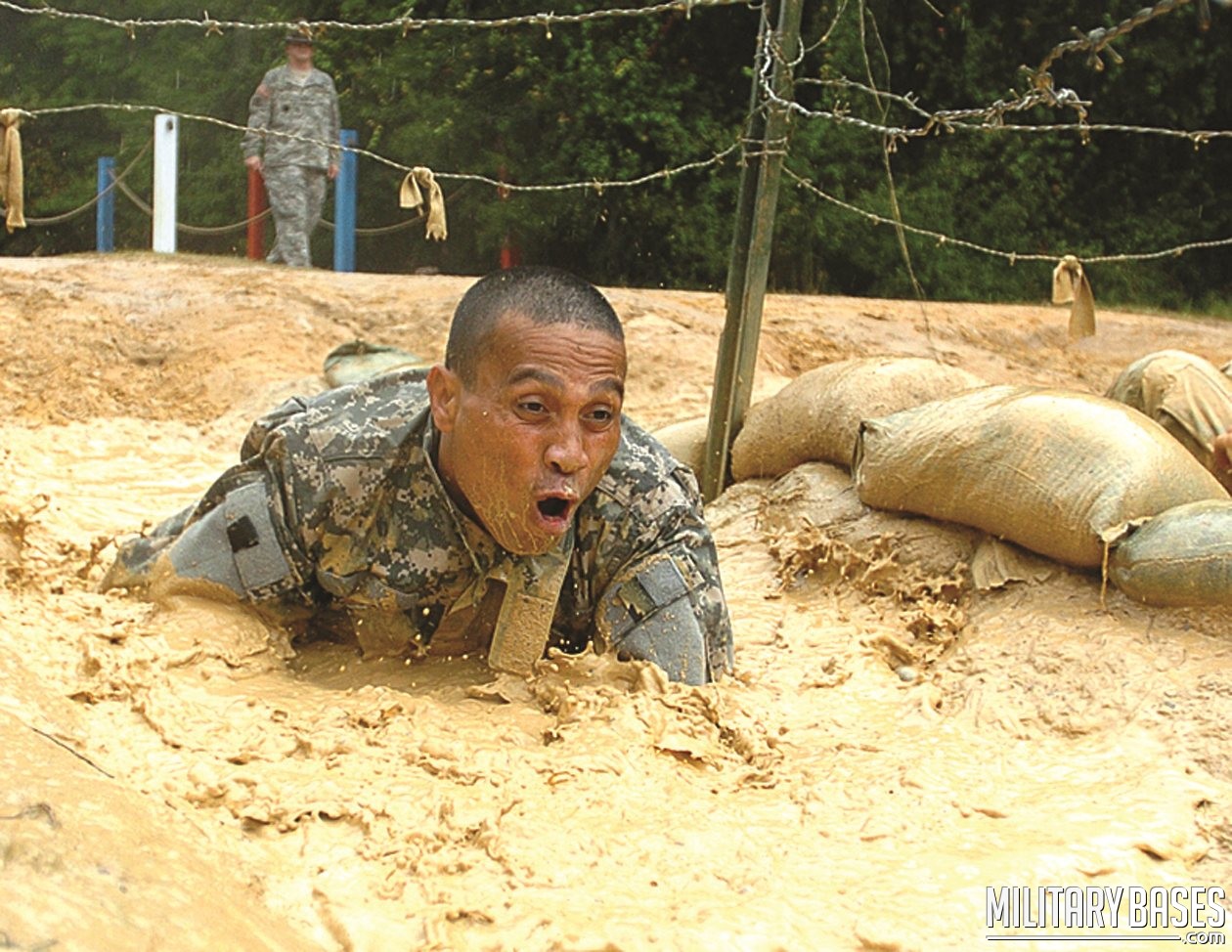
Most of the base is undeveloped and reserved for varieties of military training. Natural and manmade features provide a variety of terrain conducive to the base’s many missions. These include firing ranges, drop zones and landing zones. An average of 20,000 troops training in the field on a daily basis.
Fort Benning’s History
The post was established at Camp Benning in October 1918 to provide basic training for units serving during the First World War. At the request of local community leaders, the base was named after Columbus native Brigadier General Henry L. Benning, who served the Confederacy in the Civil War. He was considered at the time to have been one of the outstanding generals of that conflict. The camp was established on the site of a former plantation and consisted of varied terrain considered ideal for a wide range of military training. With the end of the war, for a time funding for the base dried up, but Fort Benning experienced a construction boom in the 1930s as a result of New Deal projects. A number of buildings constructed at that time by the Civilian Conservation Corps still survive and are in use today. The base received its first permanent tenant in 1934 with the arrival of the infantry school under the command of General George C. Marshall. The bases mission continued to expand, with troop numbers rising due to the arrival of First Infantry Division, the Officer Candidate School, as well as training for airborne troops.
The 2nd Armored Division was formed at Fort Benning in 1940. When the Second World War broke out, the division would first see action in the TORCH landings in North Africa during November 1942. In December 1943, Fort Benning saw the organization of the 555th Parachute Infantry Battalion, an all black unit. While trained for combat, it was retained for stateside duty and put into action fighting fires as smoke jumpers. After World War II, the Fourth Infantry Division, was reorganized and trained at Fort Benning before its commitment to duty with the North Atlantic Treaty Organization.
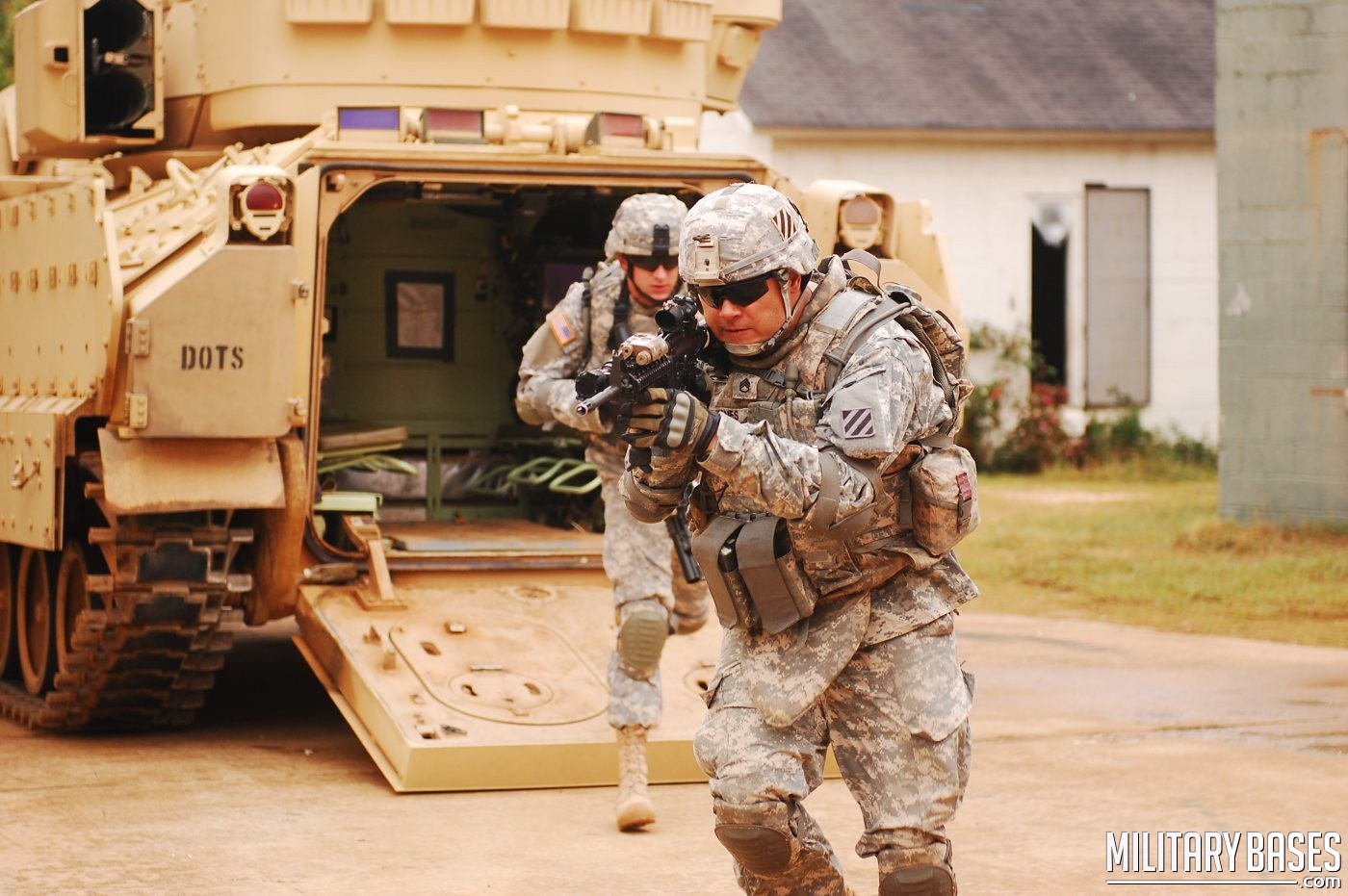
The Infantry school at Fort Benning possesses a rich legacy in the well trained officers it has produced, including such notables as Dwight Eisenhower, Omar Bradley, George Patton, George C. Marshall, and Colin Powell. In addition to the Infantry school, the base houses an Airborne School, Ranger School, and the 20th Infantry regiment which provides training for the Bradley Fighting Vehicle.
The School of the Americas was transferred to Fort Benning in 1984 and has provided training for over 61,000 soldiers and policemen in Latin America. Due to ongoing allegations that a number of graduates for the school engaged in human rights abuses, controversy surrounded the school leading to its reorganization and renaming as the Western Hemisphere Institute for Security Cooperation in 2001.
Base Organization
There are four main areas (cantonments) at Fort Benning:
Main Post provides housing for a variety of units like the 36th Engineer Group, the 988th Military Policy Company, the 43rd Engineer Battalion, as well as the 29th Infantry regiment. Also at Main Base are the Officer Candidate School, the Airborne School and the Non-Commissioned Officers Academy. In addition, a memorial stands at Main Post for the Rangers.
Kelley Hill provides a home for the 3rd Heavy Advise and Assist Brigade Combat Team of the 3rd Infantry Division (Mechanized).
Sand Hill houses the Infantry Training Brigade and the Basic Combat Training Brigade as well as the 30th AG Reception Battalion.
Harmony Church it the home of the 1/29th Infantry regiment (training support for Strykers and Bradley Fighting Vehicles), the 2/29 Infantry regiment Sniper School, the first phase of Ranger School, and the United states army Reconnaissance and Surveillance Leaders Course. After changes made under the Base Realignment and Closure Commission in 2005, it will also be the new home of the US Army Armor School.
Housing
On-base housing includes a wide range of modern, up-to-date accommodations available for personnel with families. A wide range of services are available for benefit and enjoyment of base personnel and their dependents.
The Tri-Community
Fort Benning sits at the heart of what is called the Tri-Community. In addition to Fort Benning itself, this includes the supportive communities of Columbus, Georgia and Phenix city, Alabama. In addition, the major metropolitan areas of Alabama’s capital of Montgomery, Georgia’s of Atlanta are both only an hour and a half’s drive away from base. Florida’s Gulf Coast is also only a few hour’s drive away from Fort Benning as are the mountains of northern Georgia. Columbus itself is a growing community of more than 275,000 people in its metropolitan area. Columbus is a charming city which has managed to preserve its old charm which enjoying the conveniences of a modern urban environment. Like Columbus, Phenix city, Alabama is a neighbor of Fort Benning. Located on the Chattahoochee River, the city boasts many early homes form the 1800’s preserved in the 30-block Columbus Historic District. A wide range of cultural opportunities are available in the Tri-Community area including museums, the Columbus Symphony, and productions at the Springer Opera House.