Contact Information
Camp Navajo is an expansive United States Army training facility and ammunition storage depot located near Belmont and Flagstaff Arizona. Primarily used by the Arizona Army National Guard, the facility spans over 44 square miles, making the largest military installation in the state. It has expanded to this size over the last seven decades to become one of the most important training facilities in the United States Army Reserve and National Guard network. Though the base is both technologically advanced and offers multiple training venues, it is considered to be an intermediate training facility.
Mission
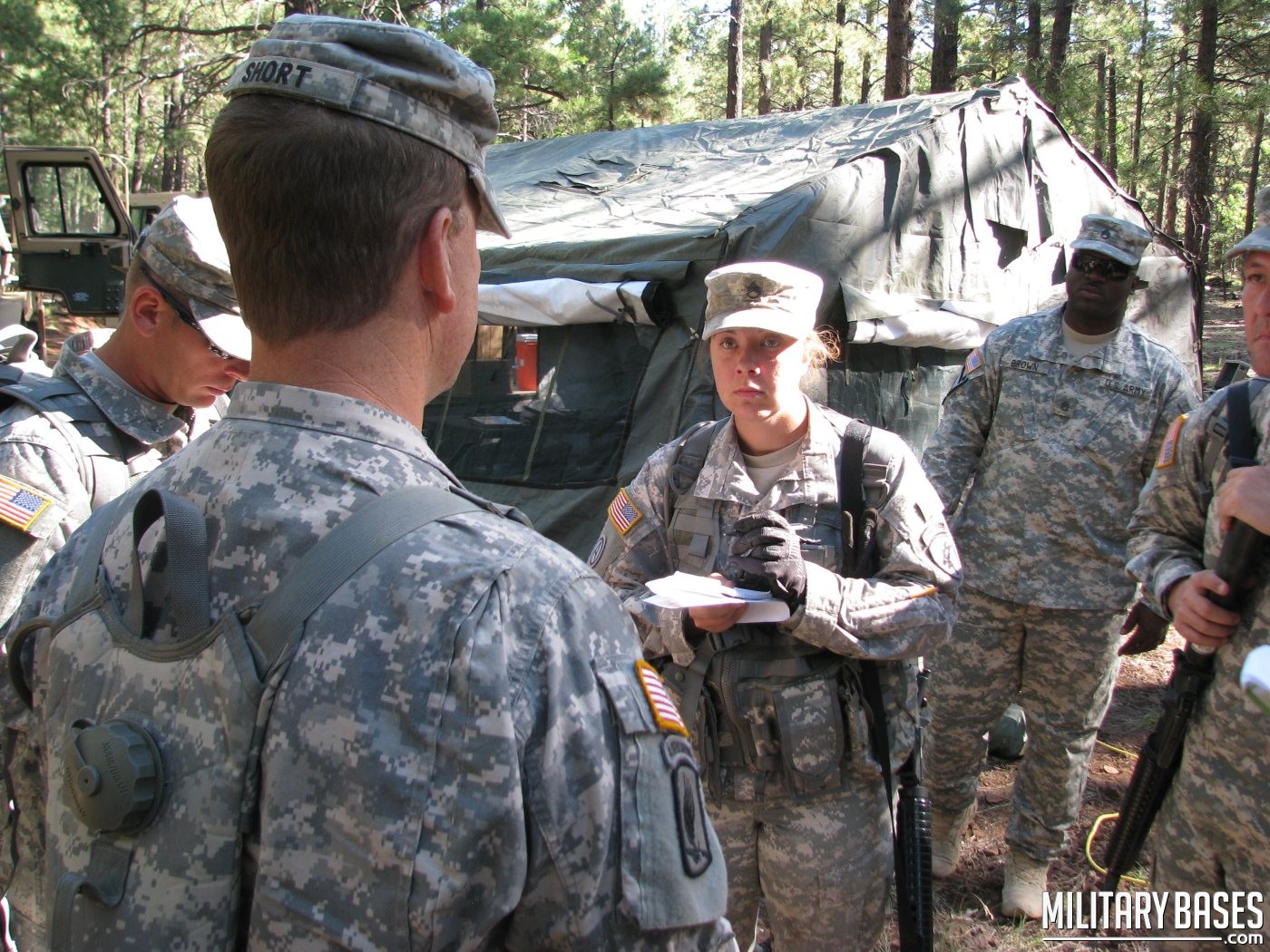
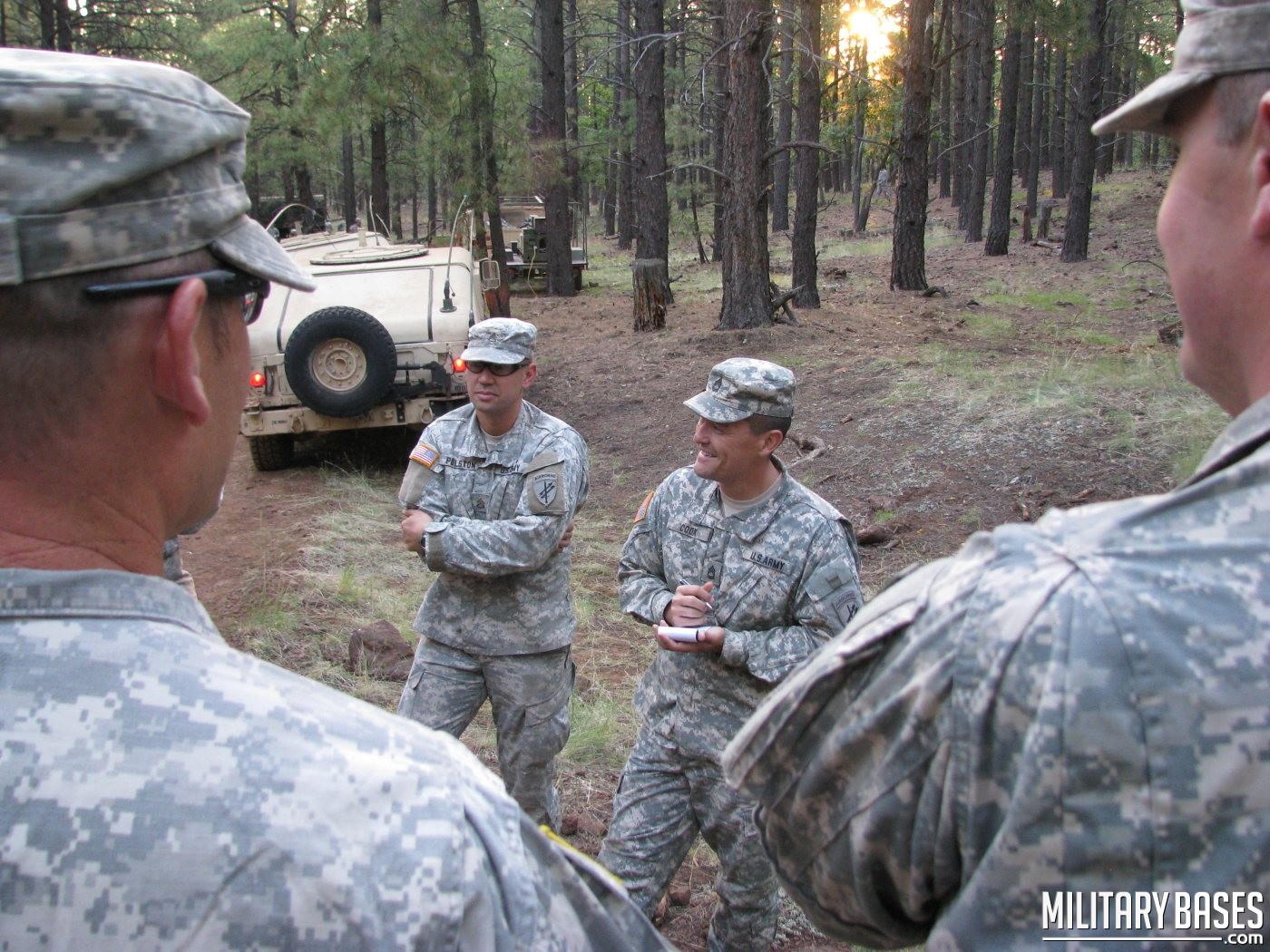
The primary role of Camp Navajo is to facilitate a wide range of training for United States Army, Reserve and National Guard soldiers. Additionally, it provides training to units of the US Navy, Air Force and Marine Corps. The size of the base allows it facilitate large scale training operations, handling units up the size of full battalions.
Training areas for the base run a full spectrum with ranges for personal weapons like M-16, M-9, M-249, M-203, grenades and crew served heavy weapons range. The base also has areas for armored training and maneuver, artillery operations and land navigation courses. The rugged area of the base allows for units to train in a wide range of weather conditions and terrains.
As a secondary mission, Camp Navajo also serves as an ammunition storage depot. Several military and Department of Defense agencies, along with civilian organizations make use of the available secure storage facilities.
History
Camp Navajo began its tenure as Navajo Ordnance Depot in 1942 with the purpose of storing ammunition to be used in the World War II fight against Japanese forces in the Pacific. At the time, the base was one of the largest in the United States, boasting over 220 miles of roads, 50 administrative and housing buildings and 800 ammunition storage facilities. Following World War II the base called back activity and was renamed to Navajo Army Depot in 1965. In the 1982 it was renamed to Navajo Depot Activity, and in 1993 the name was changed to present day Camp Navajo. In 2002, government approval was given to allow the base to deal directly with the civilian public.
Units
Camp Navajo has had a large number of units stationed on it over the last several decades. While the base does have occasional tenant and temporary units, it maintains only five permanent forces. The 1404th Transportation Company, 362nd Ordinance Company , 819th Sapper Engineer Company, 856th Military Police Company, and the 194th Engineer Detachment.
Facilities
Camp Navajo has remained largely the same since its establishment in 1942. The same road infrastructure remains, with several additions being made over the past decades. The original 800 ammunition storage facilities remain on the base as well. The base has, however expanded to 170 permanent structures, with a vast majority (140) being used for personnel housing. The remaining buildings are designated for administration, classroom facilities and storage.
Housing
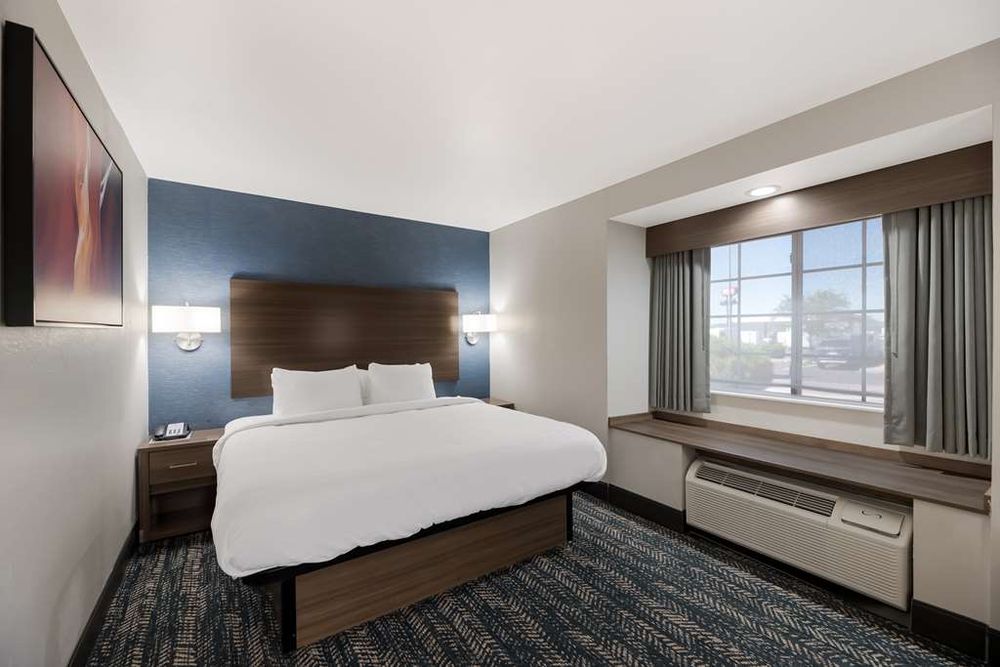
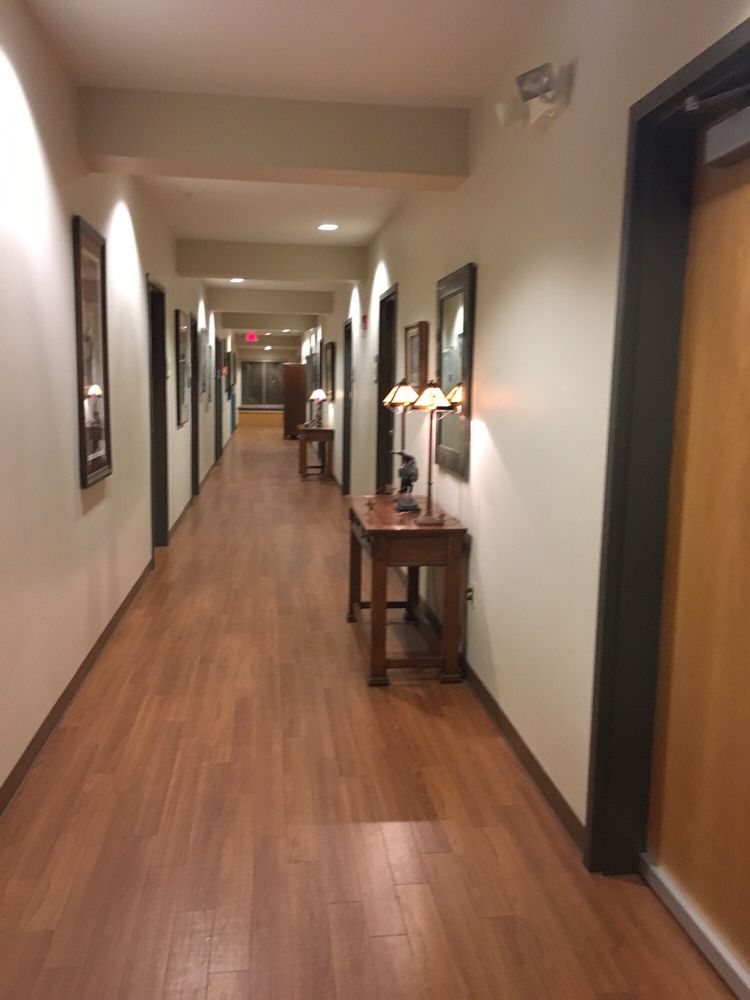
Housing at Camp Navajo is largely determined by the incoming service members’ purpose on the post. Those cycling through for training evolutions are housed in single or double room barracks and open squad bays. At any given time Camp Navajo has the ability to house at least 600 temporarily assigned soldiers, sailors, airmen or Marines. Senior enlisted and commissioned service members have additional private housing options within the base. Those coming to Camp Navajo on permanent station have several options for renting or buying in the local community, as well as on post housing areas.